For the Love of Micro welt
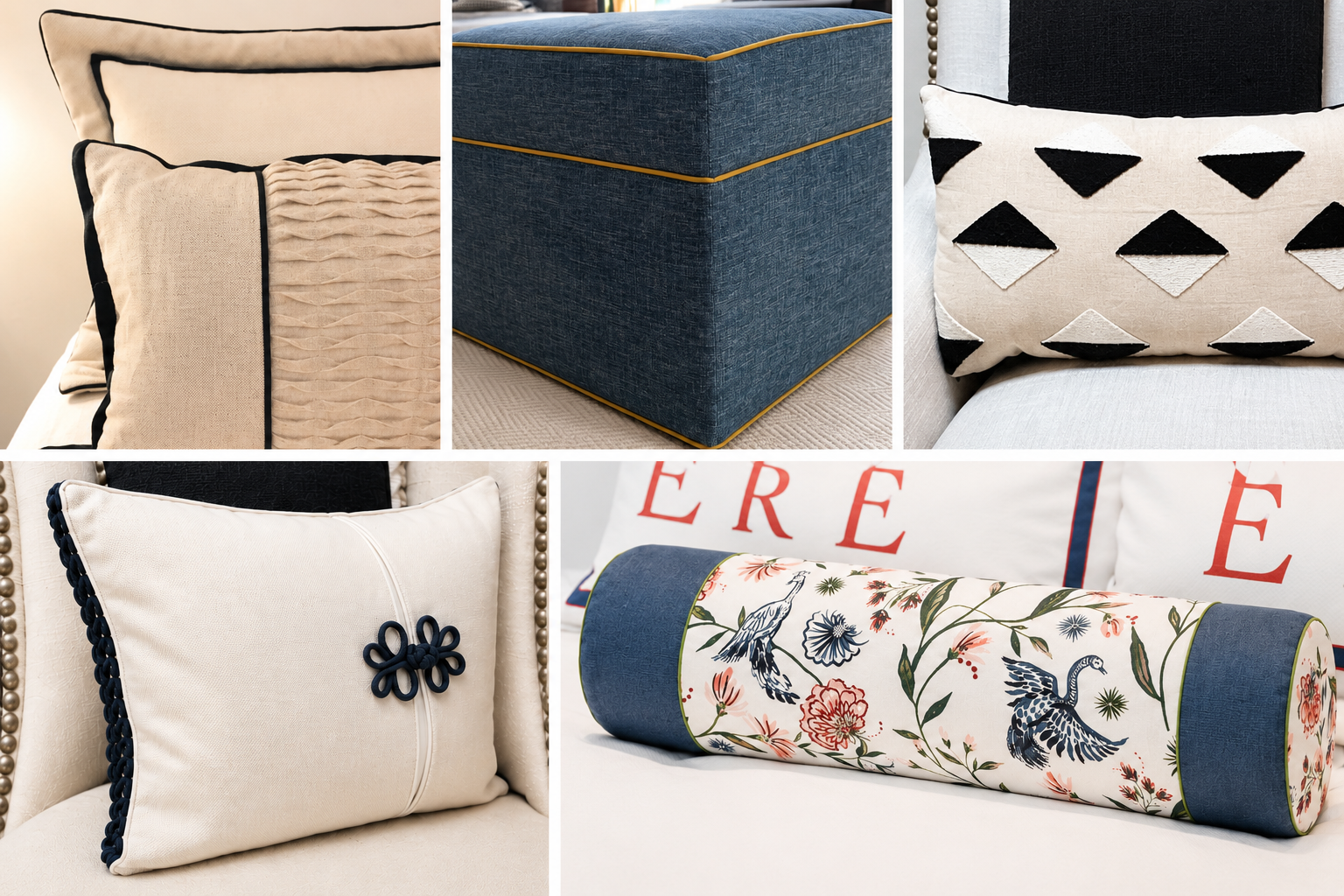
Inspired by finely tailored clothing with piping detail, window treatments become bespoke and elevated when this detail is added. Micro edging can be made with very little fabric and reasonable labor costs to take your window treatments to the next level!
Piping, Welting, Cording: What is the difference?
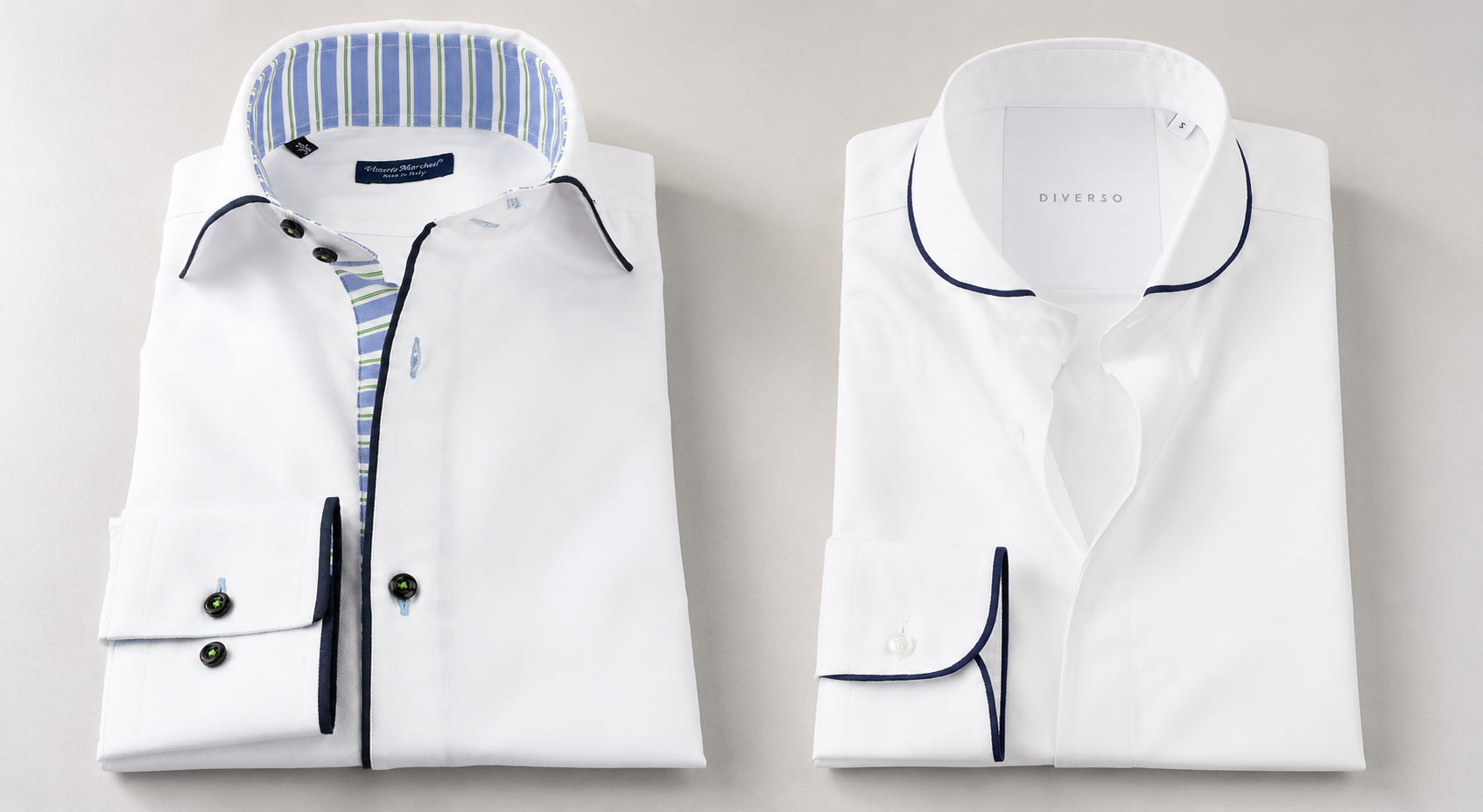
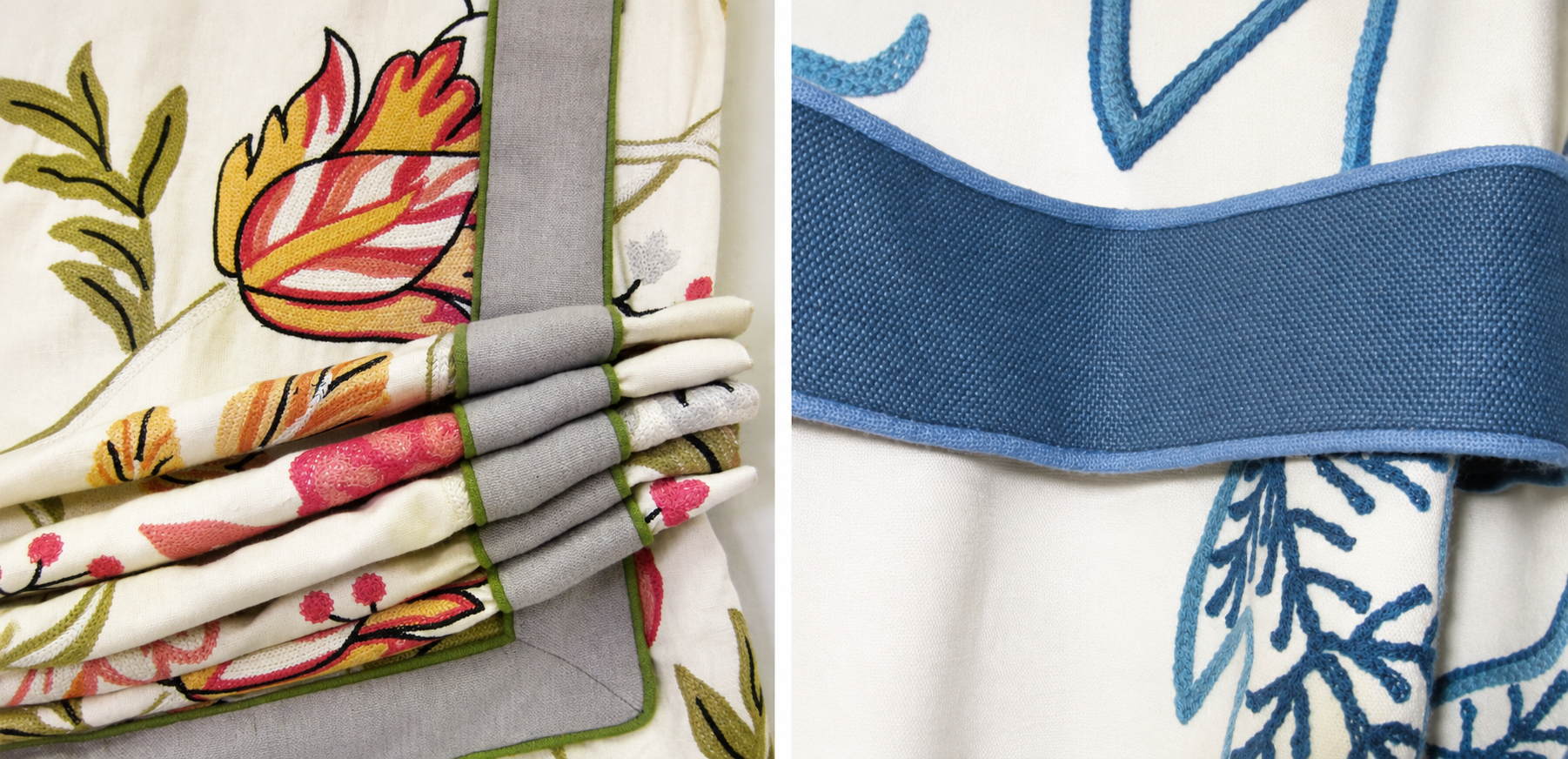
Piping is the term generally used in garment making, but it has also made its way into the drapery workroom world. Piping, as shown above, is a bias fabric band wrapped around a very thin cord and sewn into a seam for a decorative touch. These photos show contrast piping, where the piping is made with a different fabric. It is also typical to see self-piping in a garment where the piping is made with the same fabric.
Welting is the same as piping in that it is constructed from a bias band of fabric; this is the term normally used in home furnishings. Welting is available in many sizes from 1/16" up to 1". It serves many purposes, but this article is focusing on Micro welting. Micro welting is made with a cord diameter of 1/8" or less. It is a subtle decorative edge to a seam on many types of treatments.
Cording is a finished braided, twisted, or otherwise ornamental cord that may be applied directly rather than covered with fabric. It also comes in many sizes up to 1". Micro cording has a diameter of 1/8" or less. It has a lip, so it can be sewn into a seam.
Self-cording / self-welting is where the cord is covered with the same fabric as the item.
Contrast cording / contrast welt is where the cord is covered with a different fabric to create a decorative outline.
This detail can appear in many places in custom window treatments and soft furnishings. It can add detail to an elaborate treatment, or it can be a very subtle detail on an edge that lets you know this is special! It is small, so it does not stand out from a distance, but when you get close, you pay attention!
The following are photos of micro welts and cords that we have added to our products over the years.
Valances
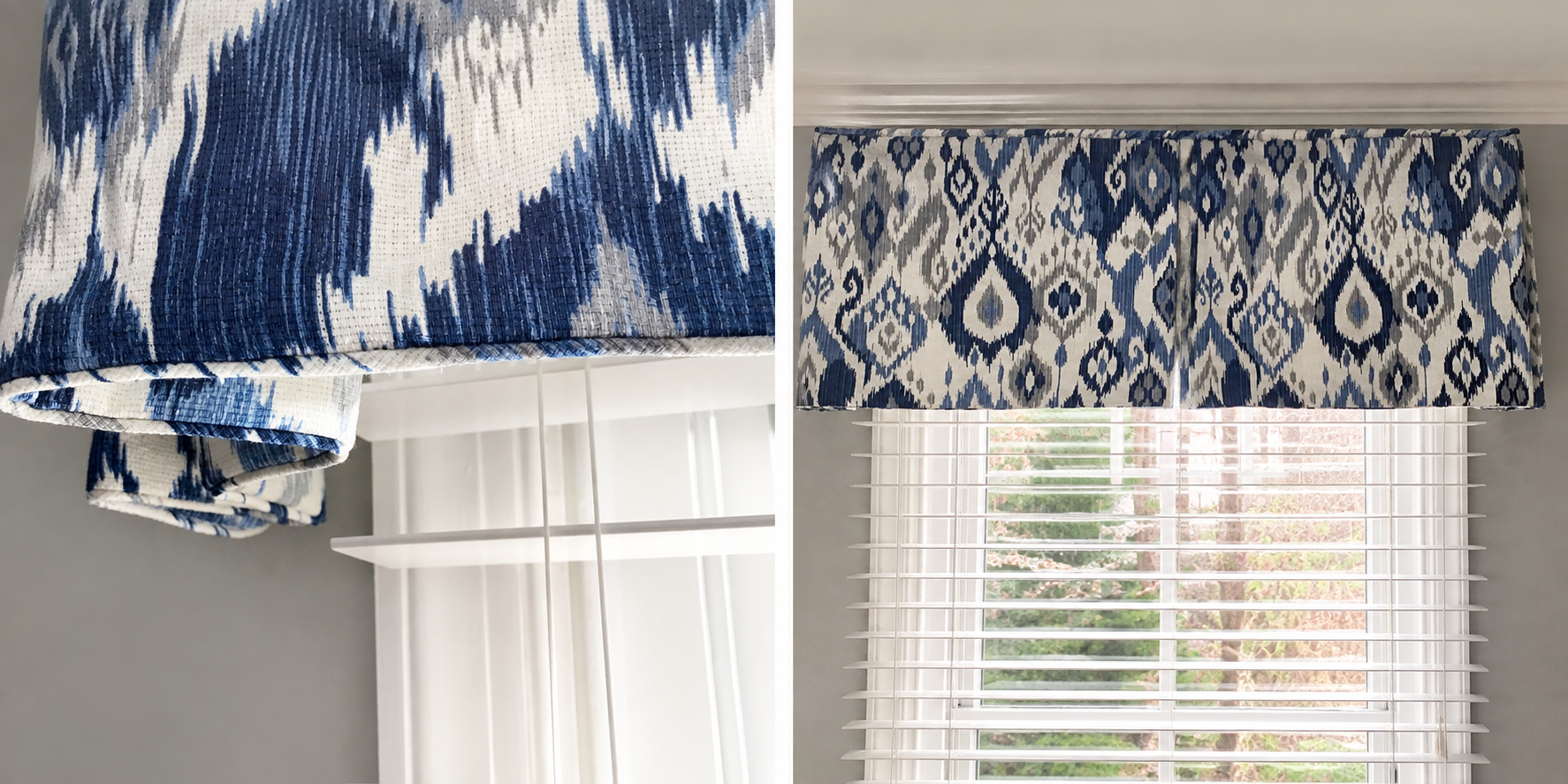
We always include a micro welt in the bottom seam of a valance. This not only enhances its appearance but also helps to smooth out edges, especially curved ones. As a result, it creates a polished look instead of the choppy appearance that can occur with pillowcase seams that lack cord.
Cornices and Roman Shades
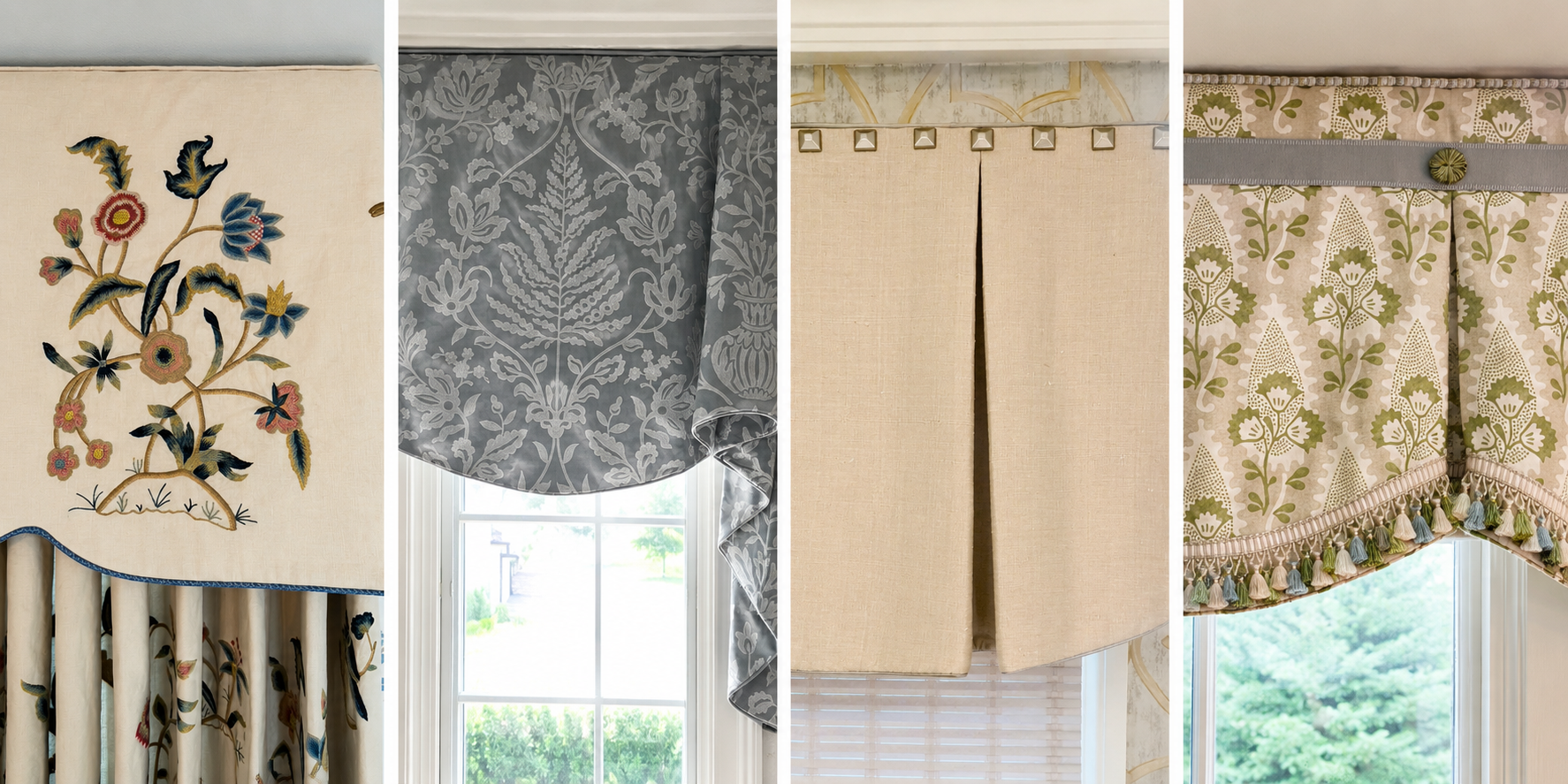
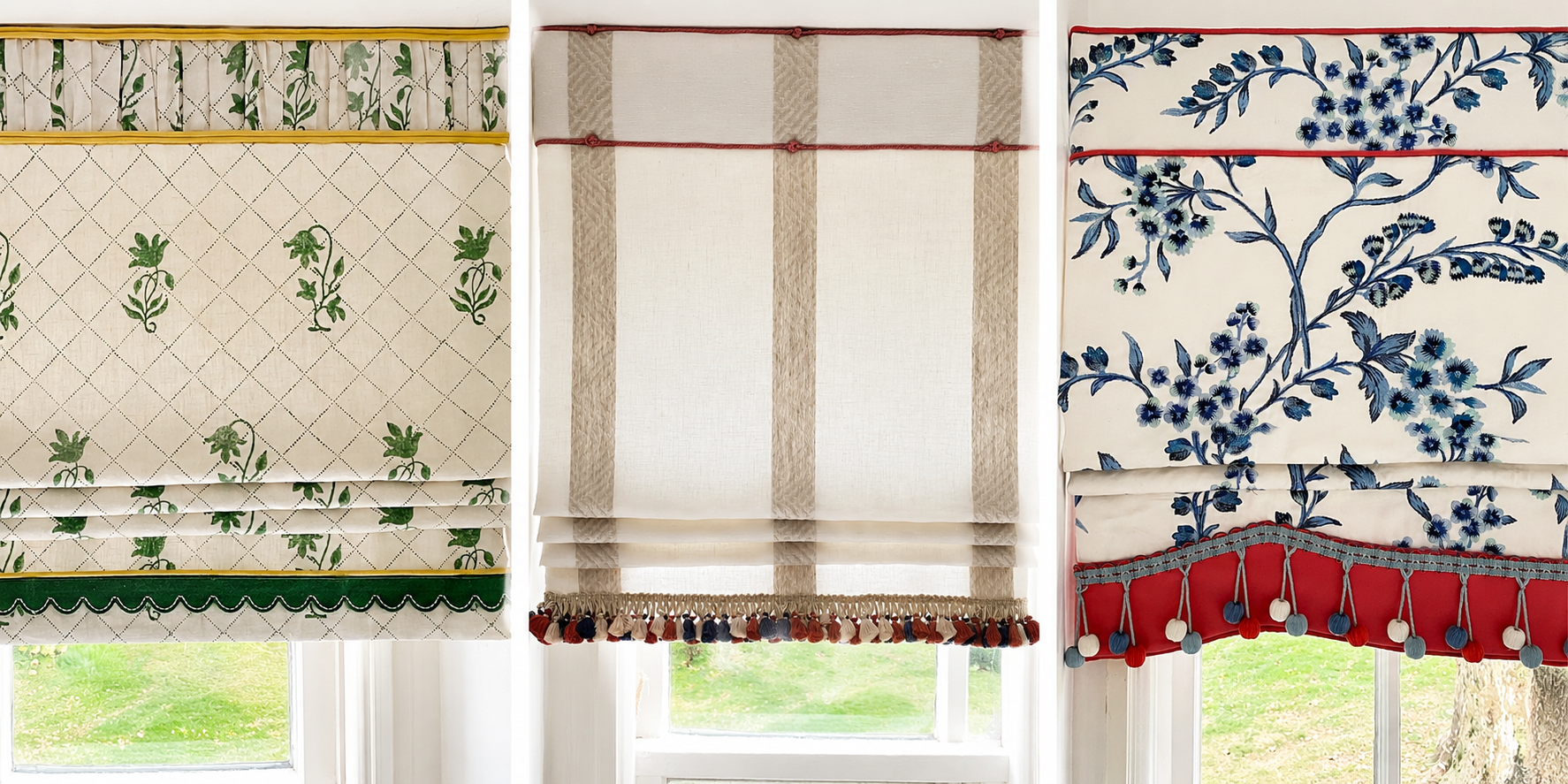
A micro welt or micro cord can enhance a cornice at the edges. Or be an additional touch at the bottom of a shade.
Here are some creative uses with double welt and micro cord that is knotted to line up with the stripes on the fabric. These were designed by Felicia Layne of White Horse Design.
Wide Width Roman Shades
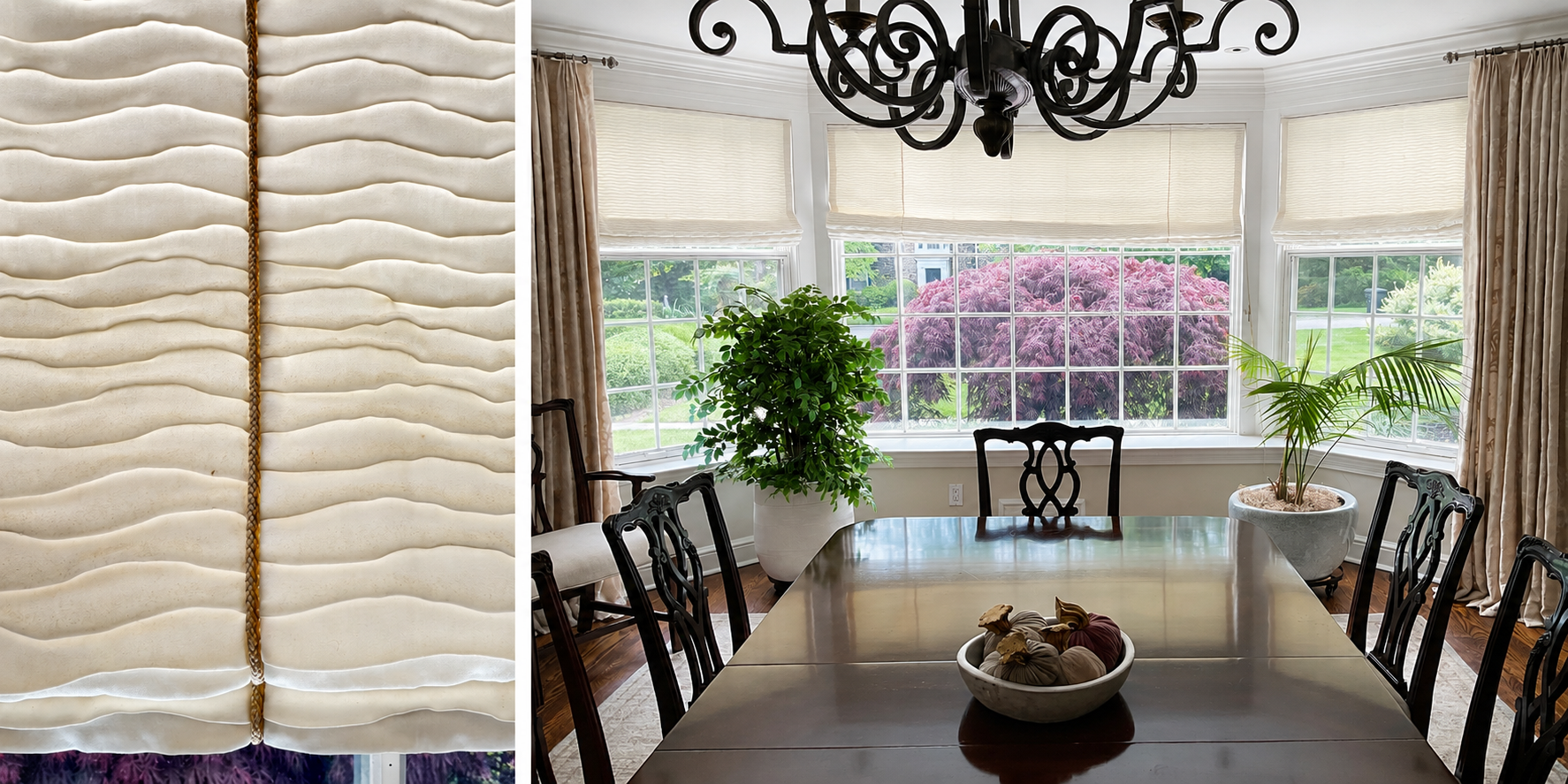
These shades need seams at the 54" width. A micro cord was added to make the seams more intentional.
Draperies
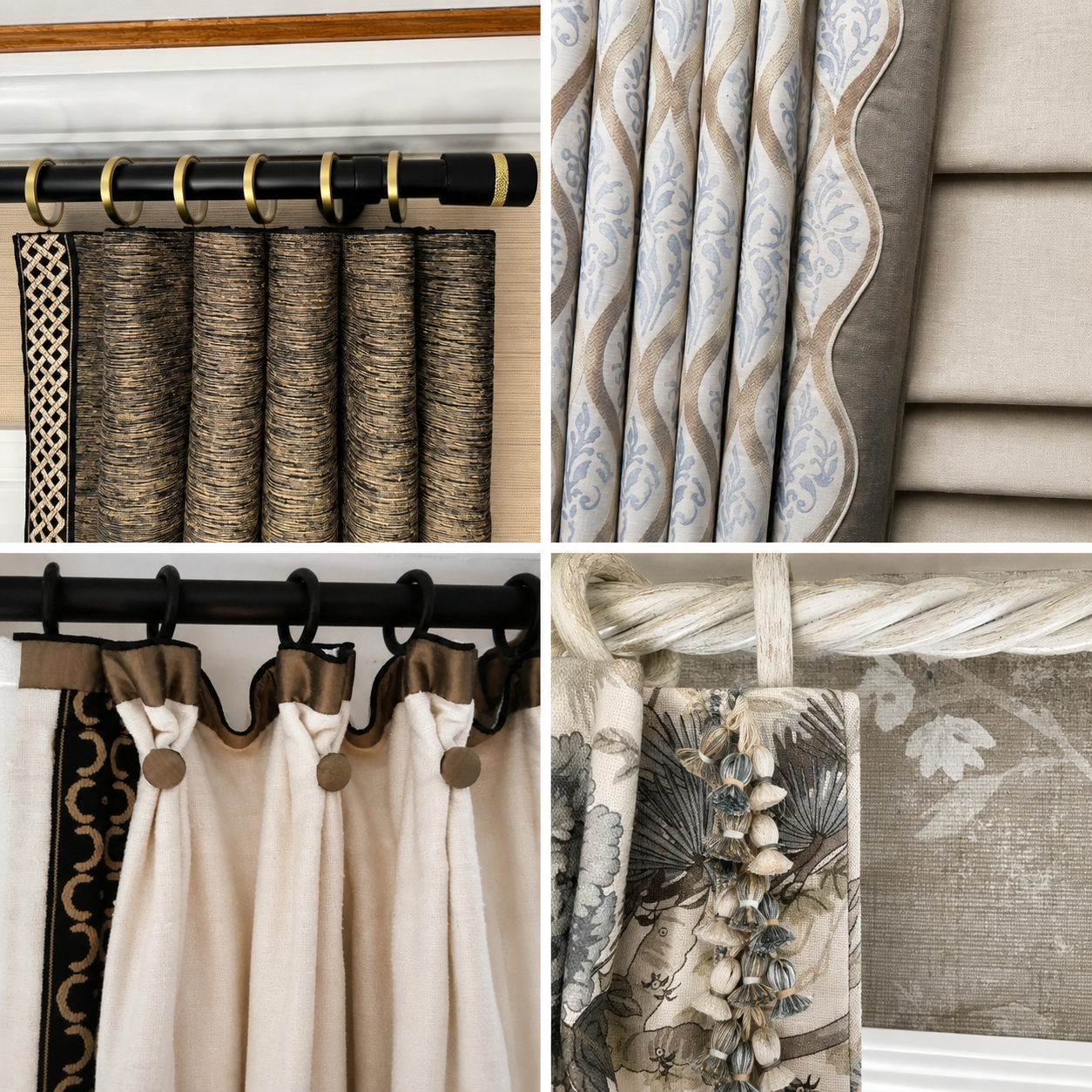
A micro welt or micro cord can be used to enhance various edges on a drapery. It can add distinction to the top edge or the leading edge of a drapery.
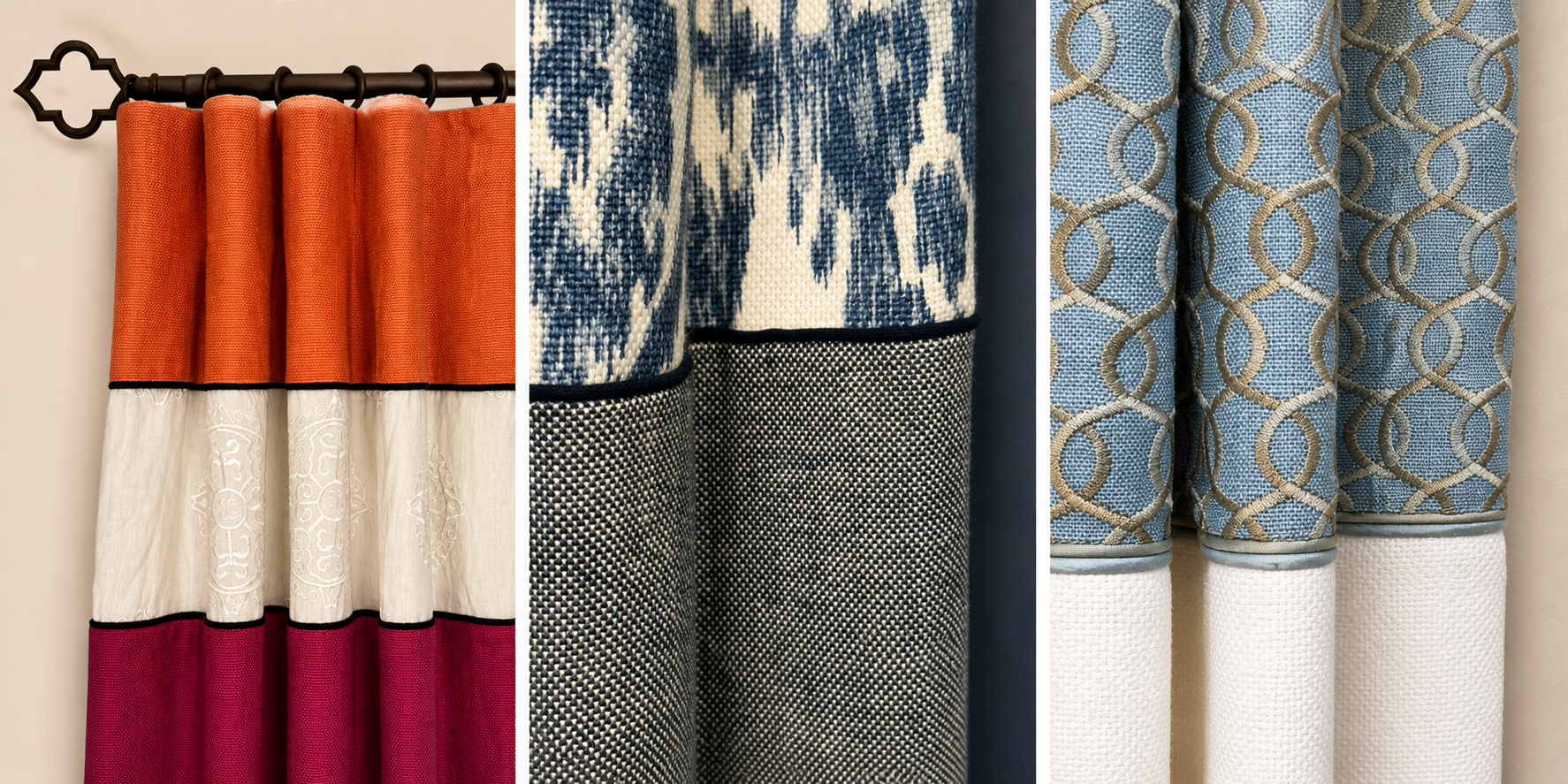
It can separate sections of a color blocked drapery. A double welt can be created picking up two colors in a patterned fabric.
Banding
A micro welt or micro cord can be added to the edges of a band or tape for an extra layer of interest.
Pillows and Cushions
Instead of a standard-size welt, a micro welt is a subtle detail that can enhance your pillows, cushions, and even soft upholstered furniture.