
Moving Upmarket: What Differentiates the Luxury Window Treatment Market?
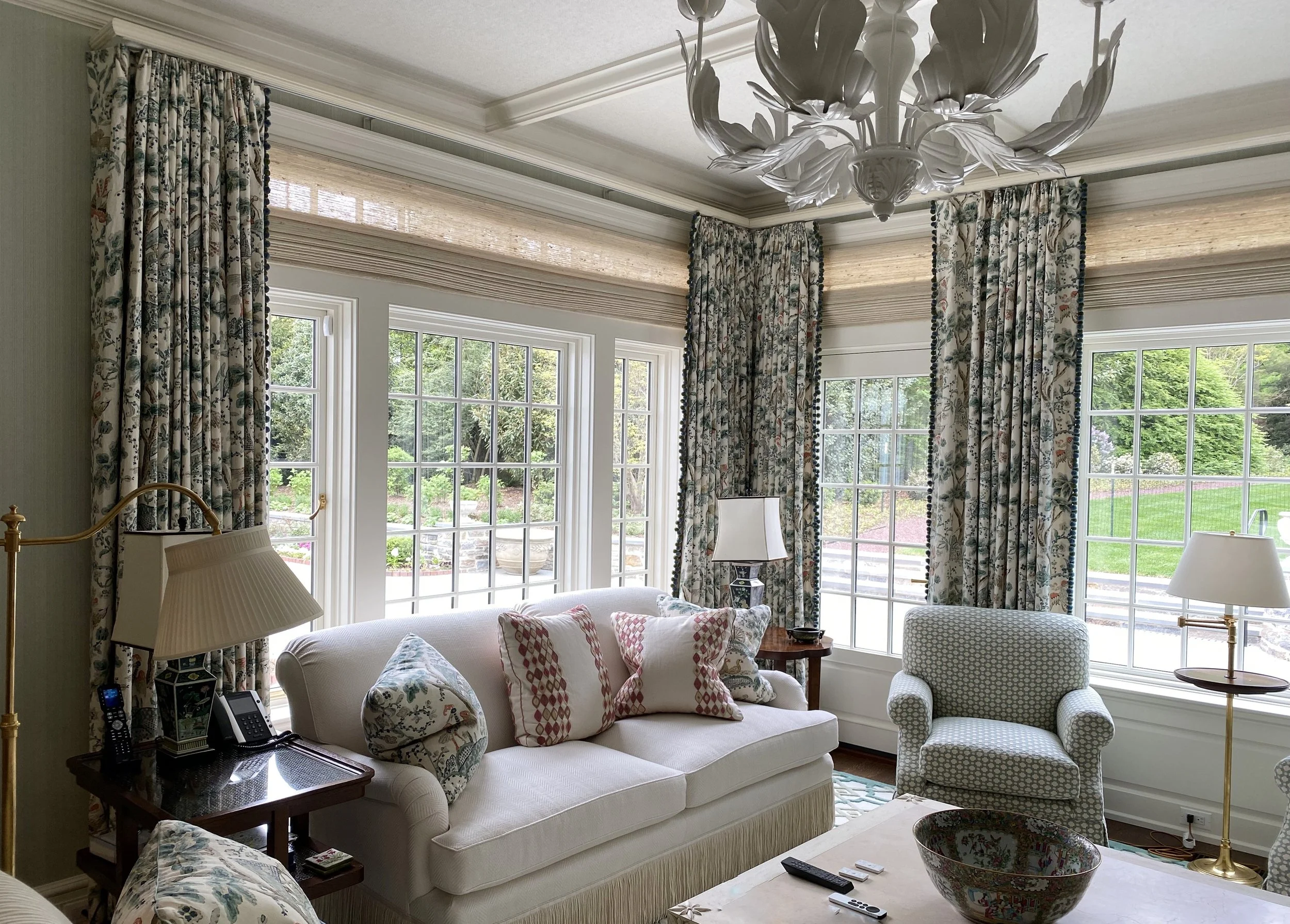
Many window treatment pros dream of breaking into the luxury market, and for good reason.
While the overall custom window coverings industry continues to evolve, the high-end segment has experienced remarkable growth. Homeowners are investing more heavily in creating personalized homes that contain exclusive, well-crafted furnishings including window coverings, and interior designers are seeking highly skilled specialists who can execute increasingly sophisticated projects.
However, serving an upmarket client requires far more than increasing your prices. It demands a completely different mindset.
My own business evolved from serving mid-market clients to working almost exclusively with luxury designers and homeowners. As the projects became more complex and expectations increased, I realized that every aspect of my business had to evolve—from the client experience and project management to design standards, fabrication techniques, communication, and vendor relationships.
Luxury clients are not simply purchasing window treatments.
They are investing in confidence.
They expect expertise, impeccable craftsmanship, thoughtful guidance, flawless execution, and an experience that feels effortless from beginning to end.
The following areas represent the biggest differences between serving the mid-market and serving the luxury market.
Elevated Client Experience
Luxury clients expect a concierge-level experience.
They value convenience, discretion, professionalism, and confidence, trusting that every detail is handled for them.
The experience should feel calm, organized, and highly personalized.
Characteristics of an elevated client experience
Exceptional communication throughout the project.
Every meeting is prepared and purposeful.
Detailed project timelines are established and managed.
Samples and presentations are beautifully organized.
Questions are answered before they are asked.
Site visits are coordinated with other trades.
Installation days are carefully planned.
White-glove installation and cleanup are implemented.
Thorough quality inspections before presenting the finished project.
Detailed documentation for every product ordered.
Professional follow-up after installation.
Excellent project management becomes one of the greatest competitive advantages.
Luxury projects often involve architects, builders, electricians, painters, furniture installers, wallpaper installers, and interior designers. Window treatment professionals must coordinate seamlessly with the entire team while preserving the design intent. Nothing is left to chance.
Elevated Design
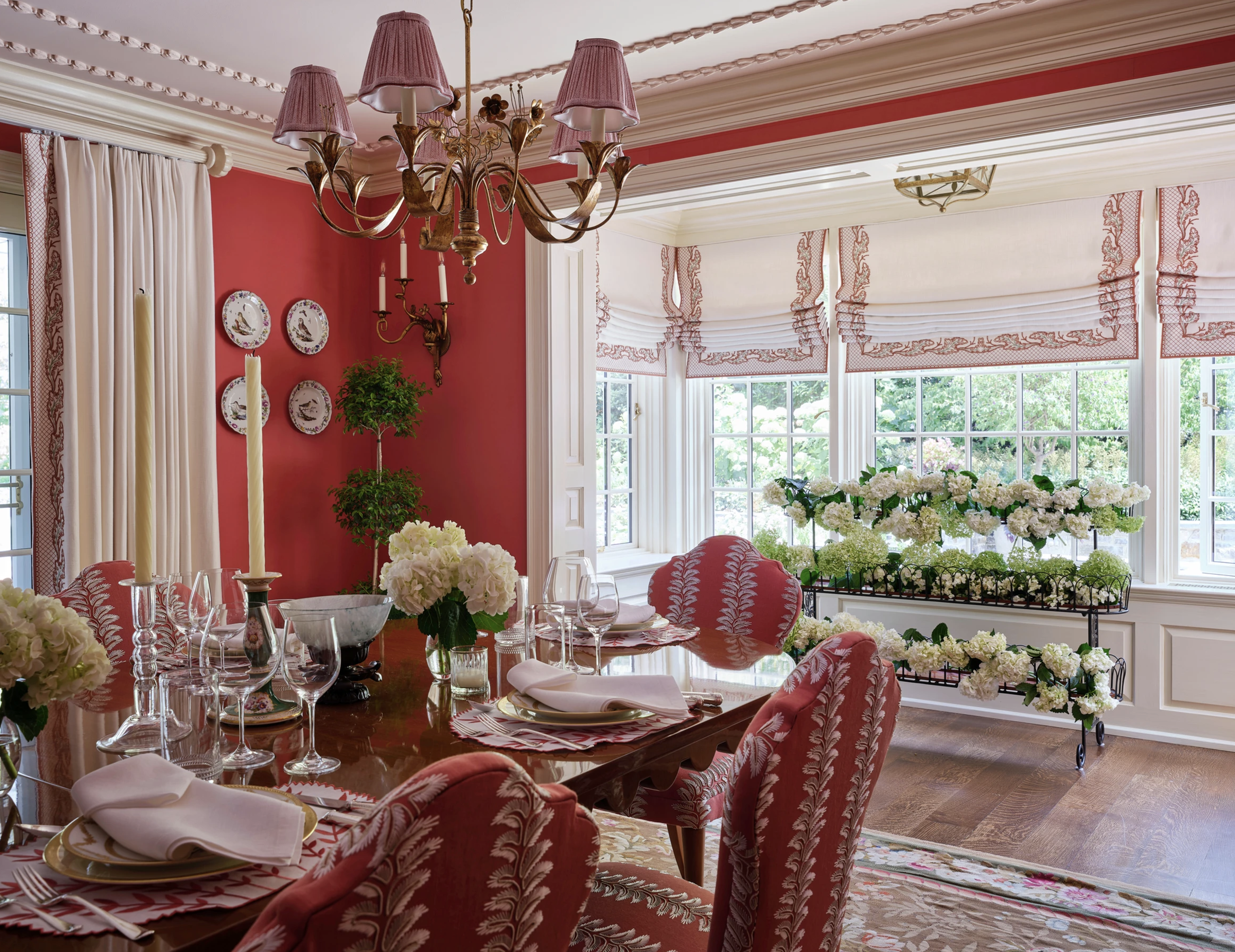
Luxury clients seek originality, artistry, thoughtful details, and timeless design rather than trends.
Window treatments become architectural elements rather than decorative accessories.
Every design decision is made with intention and purpose.
Luxury design principles
Proportions are meticulously analyzed.
Scale is appropriately matched to the architecture.
Layering adds richness and versatility.
Fabric choices prioritize both performance and beauty.
Trims and embellishments are selected to enhance the design and fabric selections
Hardware integrates seamlessly into the architecture.
Luxury clients expect treatments to exhibit generous fullness, resulting in better proportions, an elegant stackback, and an immediately noticeable superior appearance.
Motorization is increasingly standard, often seamlessly incorporated into the design.
Functionality never detracts from beauty.
Luxury projects skillfully layer treatments for both function and style, like pairing sheer or blackout layers with privacy-lined options.
Functional Luxury
All window treatments are functional.
Stationary decorative draperies are rarely found in true luxury homes, unless necessitated by the architecture.
Draperies are designed with the appropriate fullness to close effectively.
One-width drapery panels are not acceptable.
Faux Roman valances are avoided entirely.
If a stationary Roman shade is desired, it is crafted as a working shade without a lift system and tied up to a specific length, giving the appearance of a raised functional Roman shade.
Valances are typically reserved as a topping for draperies or shades, rather than being used as a standalone treatment unless the architecture dictates otherwise.
Elevated Products
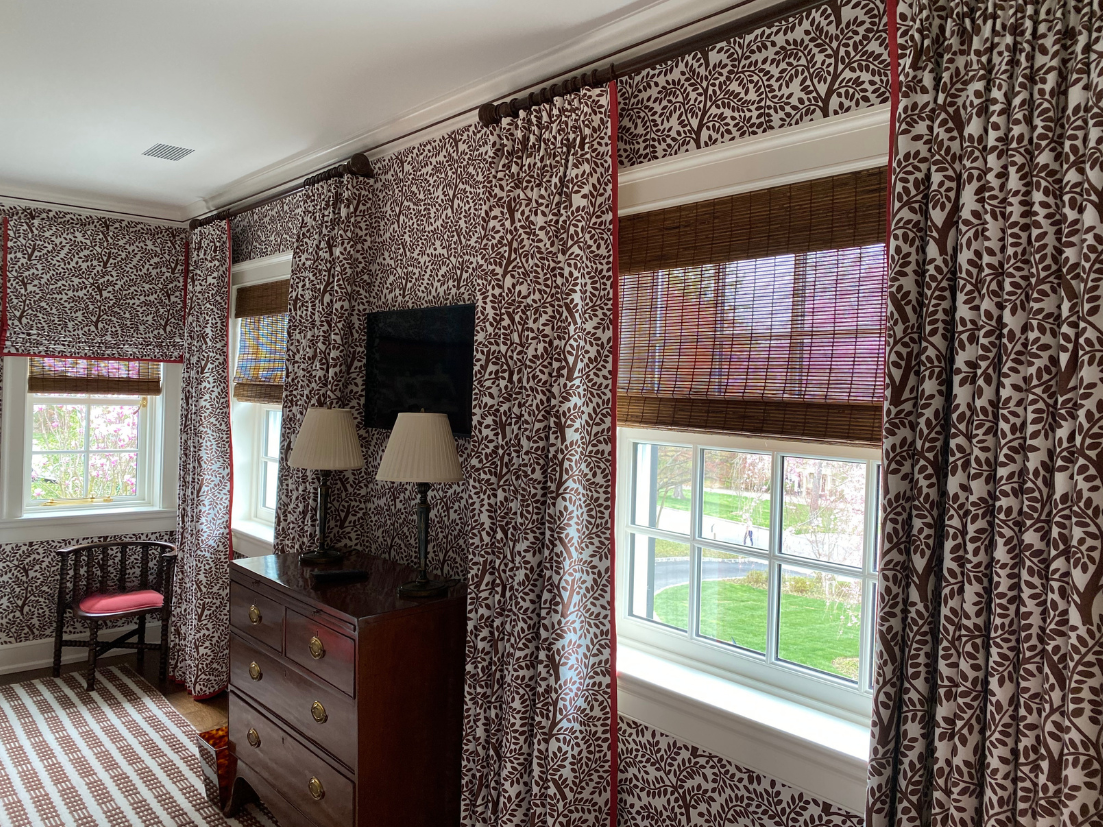
Luxury homes require products that reflect the exceptional craftsmanship found throughout the residence.
Outstanding architecture calls for equally remarkable window treatments, which interior designers readily recognize and highlight to their clients.
Premium textiles
Luxury projects often showcase fabrics sourced from esteemed mills and design houses renowned for their:
Superior natural fibers as a priority
Exclusive designs
Rich textures
Exceptional color depth
Historic weaving traditions
Limited production runs
In this context, fabric transforms into an investment rather than just a material choice.
Custom hardware
Only custom hardware can truly enhance luxury interiors.
Hardware is selected with the same meticulous attention to detail as cabinetry, lighting, and millwork.
Custom-fabricated rods.
Artisan Hand-finished metalwork.
Live, unlacquered solid brass components.
Specialty wood finishes.
Leather or fabric covered rods.
Integrated motorization.
Architectural mounting systems
Elevated Fabrication Techniques
Luxury fabrication is often described as bespoke or couture construction.
These methods prioritize longevity, beauty, and craftsmanship over production speed.
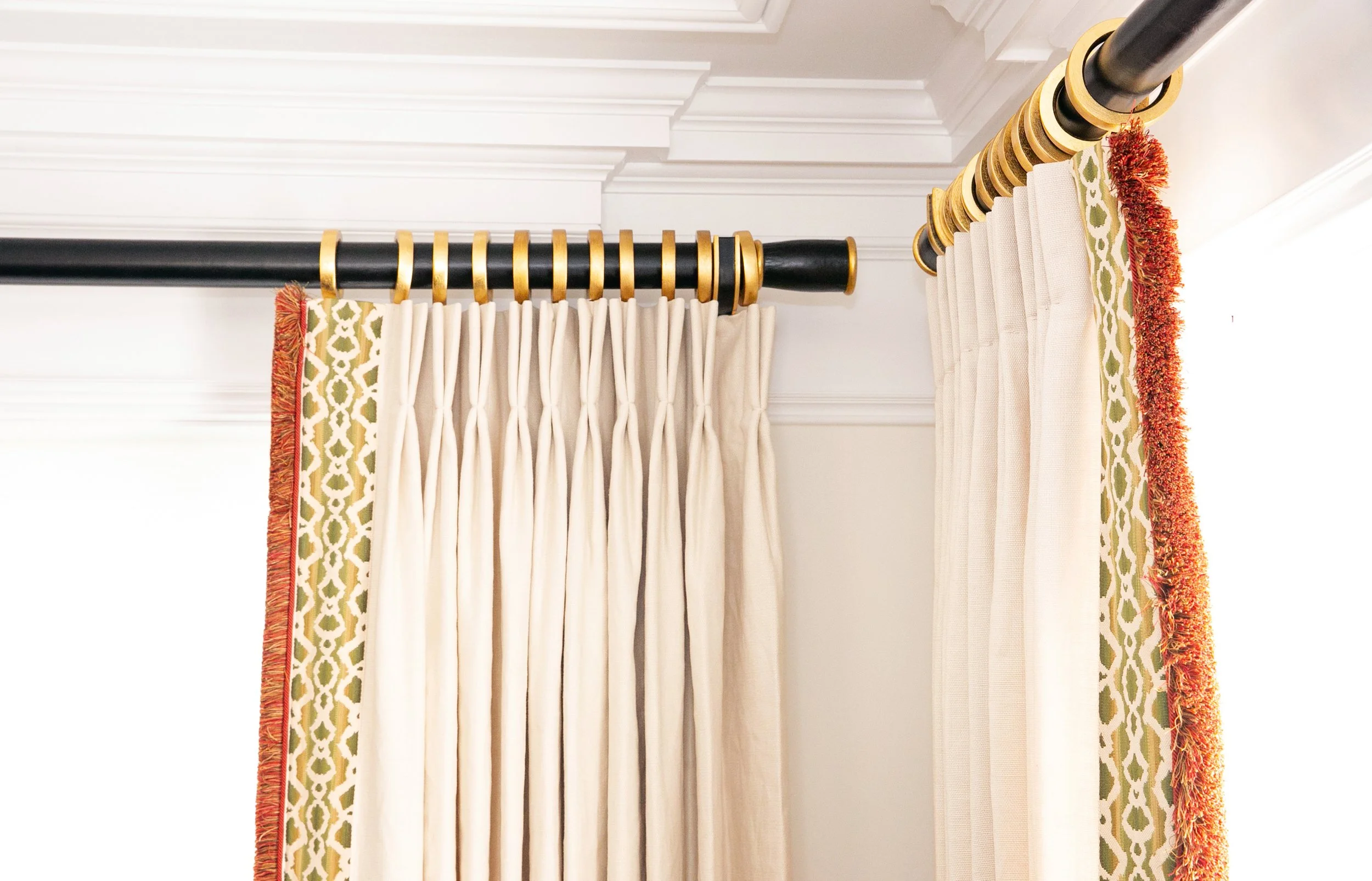
Construction techniques frequently include extensive hand sewing to eliminate visible machine stitching and reduce stress on decorative fabrics.
The finished product should appear beautifully tailored from every viewing angle with distinctive finishing details.
Couture fabrication standards
Minimal visible stitching throughout.
Invisible hand-stitched bottom and side hems.
Hand-tacked pleats.
Hidden weights and hand-finished corners.
Precise pattern placement
Placement of pattern repeats on trims and fabrics is well thought out for the most visually pleasing result.
Invisible pattern matching at joins.
Decorative edge treatments to elevate the look.
microcord
edge bindings
layered trims
fabric bands
custom embroidered edges
Every detail contributes to the perception of quality and contributes to the firm’s brand identity. Designers notice the difference in a product with well-crafted details.
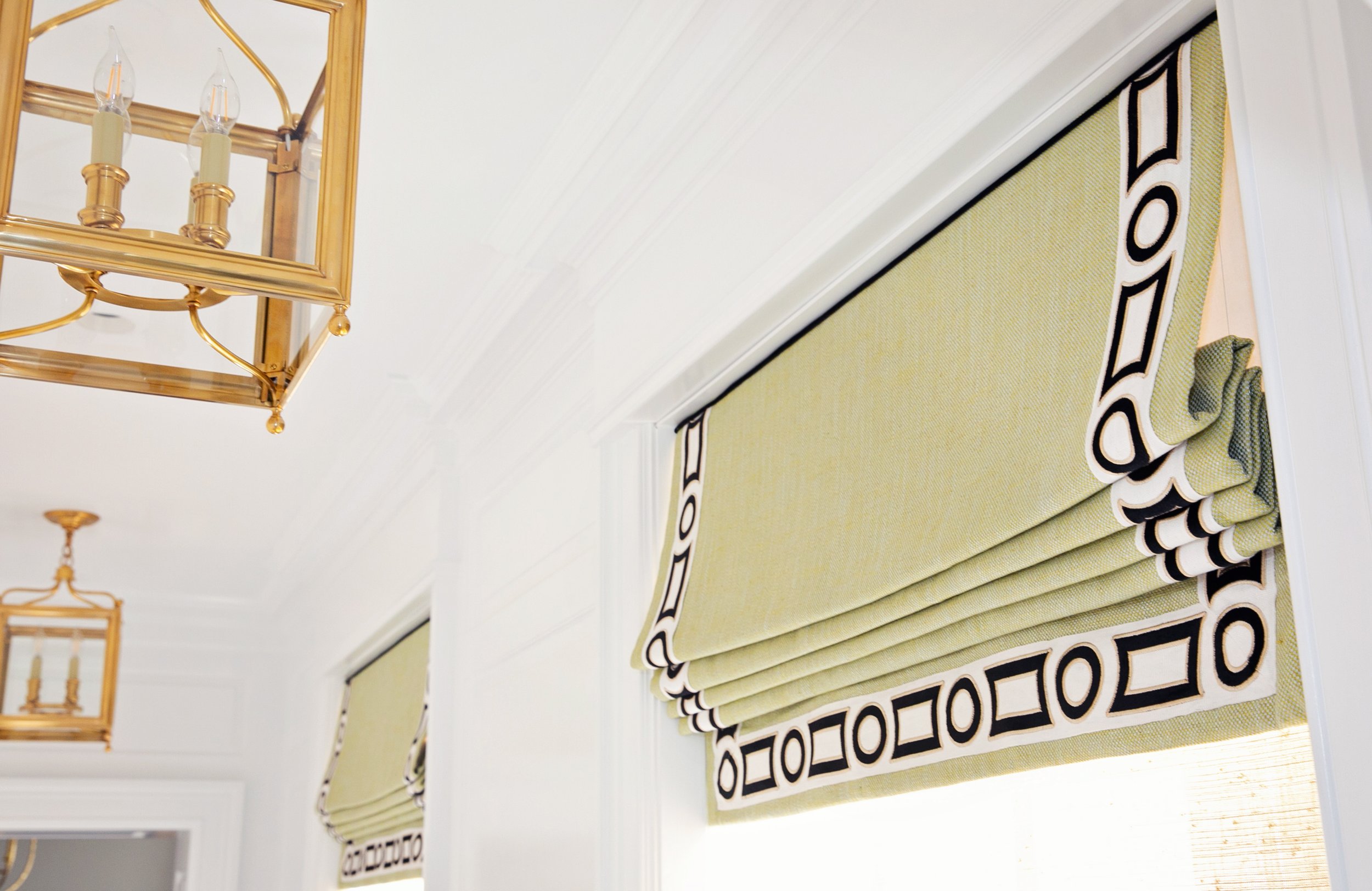
Superior linings are used
Luxury treatments always include premium linings.
Typically these include:
100% cotton heavyweight sateen lining
100% Cotton flannel interlining, domette or bumph
French blackout including four layers: The face fabric plus a 100% cotton interlining,100% cotton black sateen lining, a cotton sateen lining, or a signature stripe or mini print as the back lining.
The purpose extends beyond appearance.
Quality linings:
Protect expensive face fabrics.
Improve drape and increase body fullness.
Enhance insulation.
Improve acoustics.
Extend the lifespan of the treatment.
Luxury sheer draperies are rarely fabricated from a single layer.
A separate sheer lining creates:
Better seam appearance and cleaner construction.
Improved body and drape by adding a weighted enclosed hem.
Longer life by protecting the front fabric.
More elegant fullness.
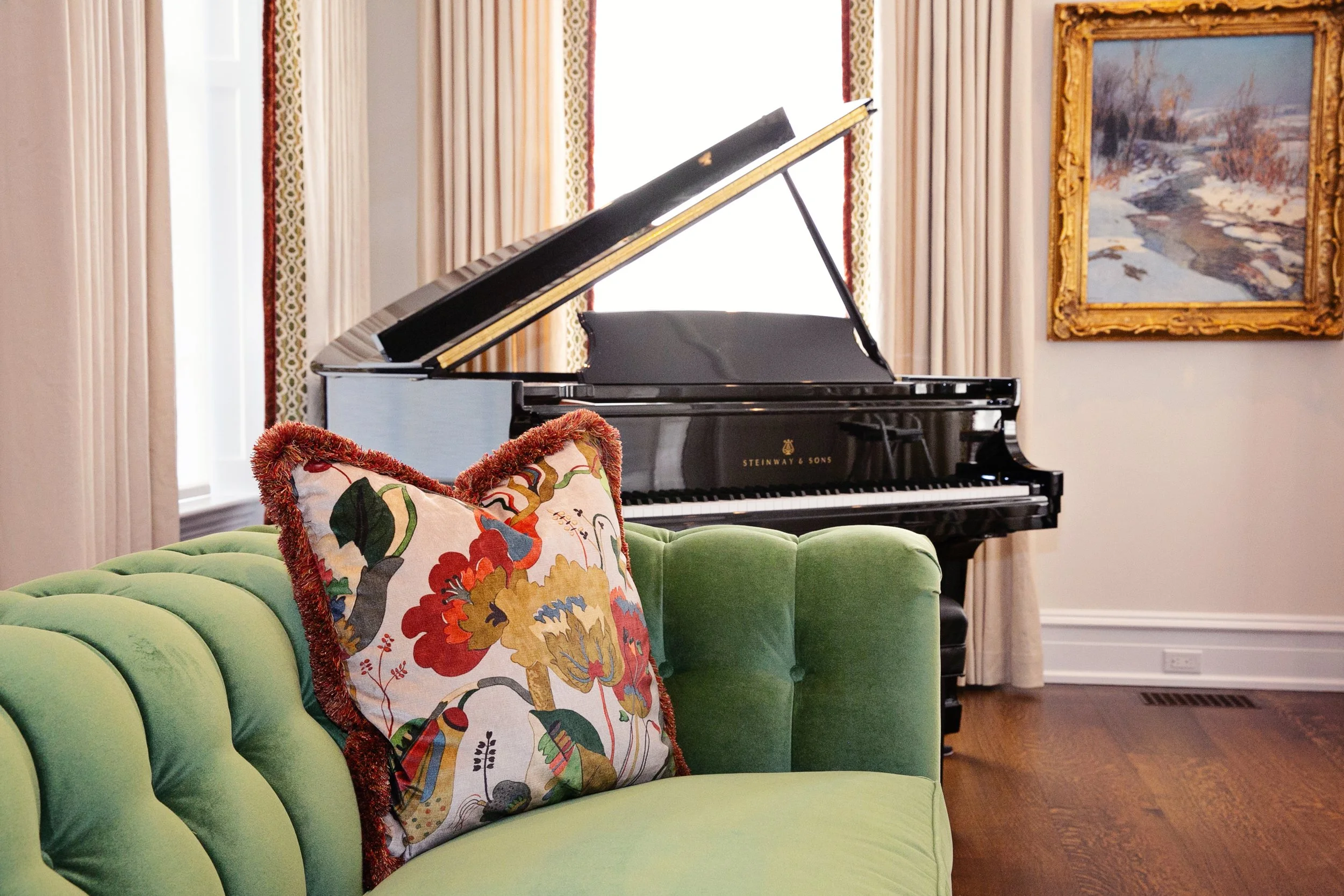
Elevated Professional Standards
Moving upmarket is ultimately about raising your standards in every area of your business.
At the luxury level, clients are not simply paying for more expensive fabrics, more elaborate treatments, or more hand sewing. They are investing in expertise. They expect the design professional they hire to know what will work, and what will not. They value someone who can narrow the choices, anticipate potential issues, coordinate the details, and confidently recommend the best solution. This is where the luxury window treatment specialist becomes invaluable. The product may be what the client ultimately sees, but the knowledge, judgment, and expertise behind it are what create the luxury experience.
The client is investing in exceptional expertise, impeccable craftsmanship, flawless execution, and an experience that gives them complete confidence throughout the project.
When every interaction reflects professionalism, every design is intentional, every product is beautifully crafted, and every detail has been thoughtfully considered, your business naturally becomes positioned for the luxury market.
The greatest differences are not only in the product—but also in the professional expertise behind it.
Interior designers serving this market need not only a fabrication partner but also a luxury window treatment specialist who becomes a trusted consultant, guiding every decision with confidence and technical expertise.
A window treatment specialist understands:
Design and proportion — how scale, fullness, placement, and architectural details influence the finished room.
Textiles — how fiber content, weave, weight, drape, pattern, and finish affect both appearance and performance.
Function — how to balance beauty with privacy, light control, room darkening, insulation, acoustics, and ease of operation.
Fabrication — how construction methods, linings, interlinings, hand finishing, pattern placement, and other details elevate an ordinary treatment into an exceptional one.
Hardware and motorization — how to specify systems that support the design, operate reliably, and integrate appropriately with the architecture and technology of the home.
Measuring and installation — how decisions made early in the design process affect fabrication and final installation.
Project management — how to coordinate fabrics, hardware, workrooms, installers, designers, contractors, electricians, and other trades while keeping complex projects moving forward.
Problem solving — how to anticipate challenges before they become costly problems and develop solutions when unusual windows, architecture, fabrics, or site conditions require a customized approach.
Visual presentation - how to create renderings of the finished product for the designer’s client presentation.
Communication — how to explain options clearly, establish expectations, document decisions, and give clients and design professionals confidence throughout the process.
